Where is Mt Kanchenjunga Located? Discover the Third-Highest Peak
By Trip Pokhara 2025-11-30
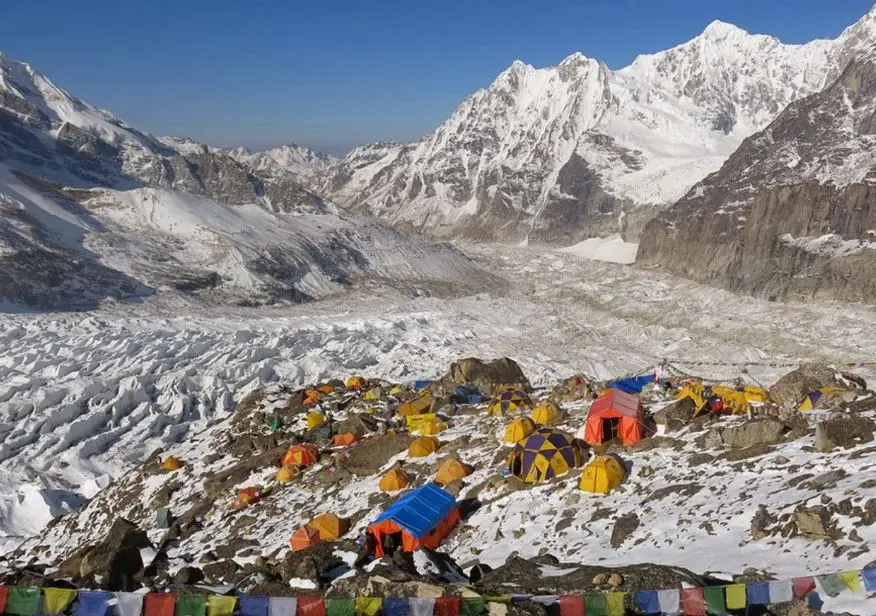
Hey there, adventure seekers and mountain enthusiasts!
If you're curious about where is Mt Kanchenjunga located, then you've come to the right place. This majestic peak, situated at an altitude of 8,586 m above sea level, which is also the third-highest mountain in the world, has long fascinated explorers and trekkers alike.
In this blog, we will discuss “Where is Mt Kanchenjunga located?” We'll dive into everything you need to know about the Mount Kanchenjunga location, its altitude, and what makes the Kanchenjunga region a must-visit for trekking enthusiasts.
Where is Mt Kanchenjunga Located: In Nepal or India
The answer to “where is Mt Kanchenjunga located?” is that Mount Kanchenjunga stands tall on the border between Nepal and Sikkim, a state of India.
Kanchenjunga, one of the highest mountains in the world, is part of the Himalayan mountain range, which is home to some of the most breathtaking views and challenging terrains on the planet. The name "Kanchenjunga" translates to "The Five Treasures of Snows," referring to its five distinct peaks, each representing a treasure of God.
Cultural and Geopolitical Significance of Mount Kanchenjunga Location
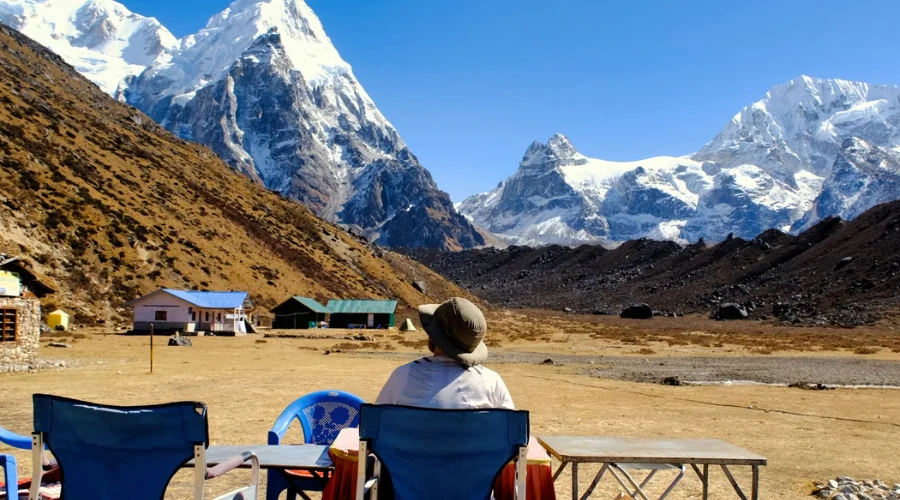
The Kanchenjunga location is strategically significant, nestled in the eastern Himalayas. This region is not only a natural boundary but also a cultural crossroads where the traditions of India, Nepal, and Tibet converge. The mountain itself is a part of the Kangchenjunga Conservation Area, a protected region that highlights the need for environmental preservation amidst growing tourism.
The Mount Kanchenjunga location on the Nepal-India border adds a layer of intrigue and complexity to its allure. The geopolitical significance of this region cannot be overstated, as it serves as a natural border separating two distinct cultures and histories. Despite the political boundaries, the mountain remains a shared treasure, revered by communities on both sides for its spiritual and cultural importance.
Kanchenjunga in the Greater Himalayan Range
Kanchenjunga, part of the greater Himalayan mountain range known as the "Third Pole" for its extensive ice reserves, is surrounded by awe-inspiring and formidable peaks. This region stretches across five countries and is crucial to Asia's major river systems, underscoring its significance in sustaining life.
The Kanchenjunga area offers dramatic landscapes, deep valleys, and towering ridgelines, playing an important role in ecology and climate research due to its proximity to major glacial systems. Furthermore, the Himalayan peaks create a natural barrier that influences local cultures and traditions, preserving ancient practices and allowing for a unique blend of natural beauty and cultural richness characteristic of the high Himalayas.
Altitude of Mt Kanchenjunga
Now, let's talk about altitude. Mount Kanchenjunga boasts an impressive height of 8,586 meters (28,169 feet) above sea level, making it the third-highest mountain on Earth. The towering peaks of Kanchenjunga are often shrouded in clouds, creating an ethereal and mystical atmosphere that captivates climbers and trekkers from around the globe.
How Altitude Affects Climbers
Climbing Kanchenjunga presents climbers with a formidable test, where the high altitude significantly impacts physical performance. As you ascend, the oxygen levels decrease, leading to potential altitude sickness. This condition requires climbers to acclimatize properly, often involving staged ascents and periods of rest to allow the body to adjust to the thin air.
Weather Conditions and Spiritual Significance of Kanchenjunga’s Height
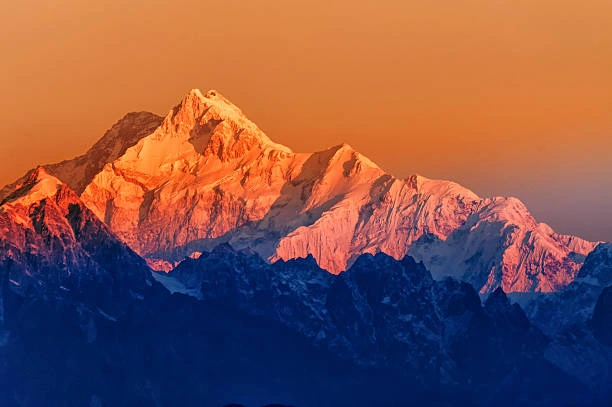
The weather in the Kanchenjunga region can be unpredictable, with rapid changes that can pose dangers even to experienced climbers. The high altitude contributes to severe conditions, including heavy snowfall, strong winds, and sudden storms. These factors necessitate thorough preparation and flexible planning for anyone attempting to reach the summit.
The majestic height of Mount Kanchenjunga is not merely a geographical fact but a source of its mystical allure. Many cultures view high mountains as sacred, believing them to be the abode of gods. This spiritual significance enhances the mountain's reputation, attracting not only adventurers but also pilgrims seeking a deeper connection with nature.
Trekking in the Kanchenjunga Region
For those who prefer to explore the wonders of Kanchenjunga without scaling its peaks, trekking in the Kanchenjunga region offers an equally rewarding experience. This area is renowned for its diverse landscapes, rich biodiversity, and cultural heritage.
The Kanchenjunga region offers a plethora of trekking routes that cater to various skill levels and interests. The Kanchenjunga Base Camp Trek, for instance, is a favorite among trekkers, guiding them through vibrant rhododendron forests and quaint Himalayan villages. Another notable trek is the North Base Camp Trek, which provides a different perspective of the mountain while showcasing the region's diverse ecosystems.
Cultural Encounters Along the Kanchenjunga Trails
Kanchenjunga Trekking is not just about the landscapes; it is also an opportunity to immerse oneself in the local culture. As you traverse the trails, you'll encounter villages where time seems to stand still, and ancient traditions are still very much alive. Interactions with the hospitable local communities offer a glimpse into their way of life, enriching the Kanchenjunga trekking experience.
The Kanchenjunga region is a fragile ecosystem that requires mindful exploration. Trekkers are encouraged to practice responsible tourism by minimizing their environmental footprint. Initiatives like waste management programs and eco-friendly lodgings are becoming increasingly popular, ensuring that the natural beauty of the region is preserved for future generations.
Biodiversity of the Kanchenjunga Region
The Kanchenjunga region is a biodiversity hotspot, home to a wide variety of flora and fauna. The lower elevations are covered with dense forests of oak, pine, and rhododendron, while higher altitudes feature alpine meadows and rocky terrain.
Rich Plant Life in Kanchenjunga
The botanical diversity of the Kanchenjunga region is astounding, with thousands of plant species thriving in its varied climates. From towering conifers to delicate orchids, the plant life here is a testament to nature's adaptability. Seasonal changes bring vibrant colors to the landscape, with springtime heralding a riot of blossoms that blanket the hillsides.
Wildlife of the Kanchenjunga Region
Wildlife enthusiasts will find the Kanchenjunga region a paradise, with opportunities to spot rare and endangered species. The elusive snow leopard and the charming red panda are among the region's most celebrated inhabitants. Birdwatchers, too, will revel in the chance to observe over 250 bird species, including colorful pheasants and eagles soaring high above.
Understanding the Kanchenjunga Map
Understanding the Kanchenjunga map is essential for trekkers and travelers who want to explore the region’s diverse landscapes, trekking routes, and geographical features. A detailed map helps you visualize the mountain’s location along the Nepal–India border, the surrounding Himalayan peaks, and the major trails leading to the North and South Base Camps.
Conservation Challenges and Efforts
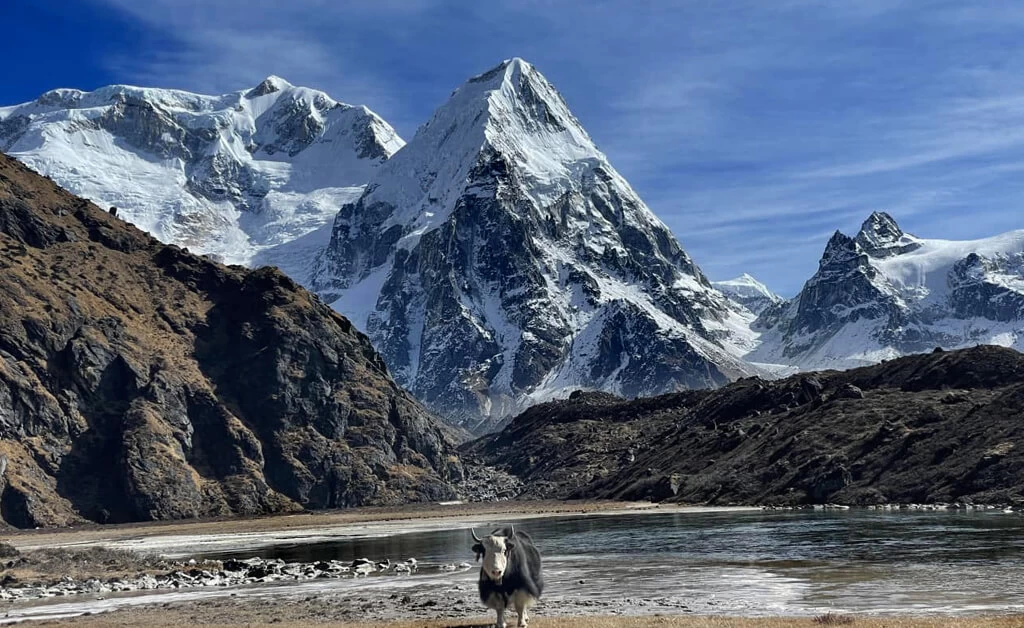
The rich biodiversity of the Kanchenjunga region is under threat from climate change and human activities. Conservation efforts are crucial to protecting this natural heritage, with initiatives focusing on habitat preservation and sustainable tourism. Local communities play a vital role in these efforts, often acting as stewards of the environment and educators for visitors.
The Kanchenjunga region is not only a natural wonder but also a cultural treasure trove. The area is inhabited by diverse ethnic communities, including the Sherpas, Lepchas, and Bhutias, each with its own unique traditions and beliefs.
Kanchenjunga as a Sacred Mountain
Kanchenjunga is more than just a mountain; it is a revered symbol in local culture. Many communities view it as a sacred space, a place where the earthly and the divine intersect. This spiritual reverence is reflected in local customs and rituals, where the mountain is often invoked as a guardian and benefactor.
Festivals and Local Celebrations
The vibrant cultural life of the Kanchenjunga region is showcased through its festivals and celebrations. Events like Losar, the Tibetan New Year, are marked by music, dance, and feasting, offering visitors a chance to partake in the joyous atmosphere. These festivals are not only celebrations but also expressions of cultural identity and continuity.
The cultural heritage of the Kanchenjunga region is as precious as its natural environment. Efforts to preserve traditional practices and knowledge are ongoing, with local communities taking the lead in cultural conservation. Visitors are encouraged to respect and learn about these traditions, contributing to their preservation and appreciation.
Best Time to Visit Kanchenjunga
If you're ready to explore the wonders of Mt Kanchenjunga, there are a few things to keep in mind while planning your trip. The best time to visit is during the spring (March to May) and autumn (September to November) seasons when the weather is relatively stable, and the views are at their best.
During spring, the trails come alive with blooming rhododendrons, lush forests, and clear morning skies, perfect for photography and enjoying the region’s vibrant landscapes. Autumn, on the other hand, offers crisp air, dry trails, and exceptional visibility of the Kanchenjunga massif, making it a top choice for trekkers seeking panoramic Himalayan views.
Both seasons provide favorable trekking conditions, reduced chances of heavy rainfall or snowfall, and a more comfortable climate for long hiking days. Whether you choose the colorful freshness of spring or the crystal-clear beauty of autumn, these seasons ensure the most rewarding and safe trekking experience in the Kanchenjunga region.
Planning and Preparation for Kanchenjunga Trek
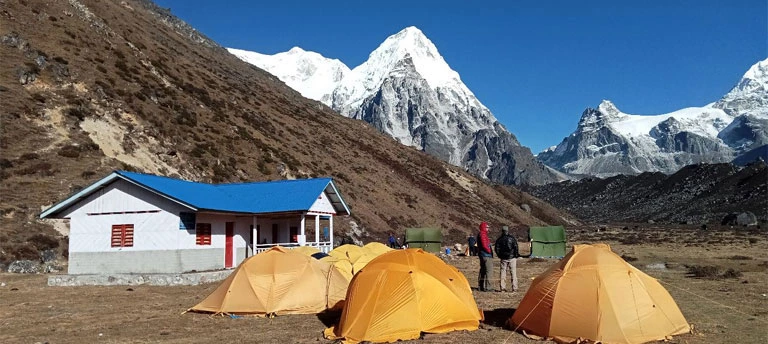
Preparing for a trek in the Kanchenjunga region requires careful planning and preparation. This includes securing the necessary permits, hiring experienced guides, and packing suitable gear for the journey. Trekkers should also prioritize acclimatization, allowing time for the body to adjust to the high altitudes to prevent altitude sickness.
Travel Logistics for Reaching Kanchenjunga
Traveling to the Kanchenjunga region involves navigating a series of logistical challenges. Access to the area typically begins in major cities like Kathmandu or Darjeeling, followed by a journey to smaller towns such as Taplejung. From there, local transportation and guides will help you reach the starting points of your trek, ensuring a smooth and enjoyable adventure.
Practicing Responsible Tourism
As you embark on your journey, it's crucial to practice responsible tourism. This means respecting the natural environment, supporting local economies, and honoring cultural traditions. By adhering to principles like Leave No Trace, travelers can help ensure that the Kanchenjunga region remains a pristine and welcoming destination for generations to come.
Conclusion
In the Himalayas, Mt. Kanchenjunga offers a unique and culturally important position on the Nepal-India border, while its towering height, dramatic landscapes, and deep spiritual importance make it a destination that captivates trekkers, adventurers, and nature lovers alike. From glaciers and river systems to diverse communities and ancient traditions, Kanchenjunga stands as a powerful symbol of both natural beauty and cultural heritage.
Whether you're trekking through the different routes of the region or reading about its various geographies, knowing where is Mt Kanchenjunga located helps one understand why it will always remain one of the most breathtaking mountains in the world. A journey to Kanchenjunga, combined with responsible travel, proper preparation, and respect for local culture, becomes an unforgettable experience-one deeply connected to the heart of the eastern Himalayas.
FAQs
Is Kanchenjunga in Nepal or India?
Kanchenjunga is situated on the boundary between Nepal and India. The peak crosses the border, with its western part in Nepal's Taplejung District and its eastern part in the Indian state of Sikkim.
Can Kanchenjunga be seen from Nepal?
Yes, Kanchenjunga can be seen from Nepal, particularly from the Kanchenjunga Base Camps and the eastern Kanchenjunga Conservation Area. Hikers can get up close and personal with the massif from vantage points like Pangpema, the northern base camp, and Oktang, the southern base camp.
Is Kanchenjunga harder than Everest?
Yes, it is believed that the trekking and climbing routes on Kanchenjunga are more challenging than those on Everest. Even though Everest is physically taller, Kanchenjunga is more challenging due to its remote location, lack of amenities, rough and poorly marked terrain, and isolation. Many climbers and hikers claim that the Kanchenjunga trip is more challenging in terms of difficulty, endurance, and self-sufficiency.
Why is Kanchenjunga so famous?
Kanchenjunga, the third-highest mountain in the world, is renowned for both its deep cultural and spiritual significance to the local population and its five distinctive peaks. The mountain is also well-known for its challenging climbs, breathtaking scenery, and UNESCO World Heritage Site designation, which protects its rich biodiversity.
Is K2 means Kangchenjunga?
No, K2 does not mean Kanchenjunga; in fact, both are completely different. K2 is the second-highest peak in the world, located on the border of Pakistan and China, whereas Mount Kanchenjunga is the second-highest mountain in the world, located on the border of Nepal and India.
Recent From Blog

2022-04-19

2022-04-20
.jpg)
2022-04-20

2022-04-20

2023-02-03
2023-02-06

2023-02-15

2023-03-07


2023-10-16


2025-07-21


2025-08-14


2025-08-24


2025-08-25


2025-08-27


2025-09-24
.webp)







2025-12-09